When the Christmas Lights Come Down in January, and Where They Go
Lit Up Taylor's Way • September 18, 2026 • 8 min read
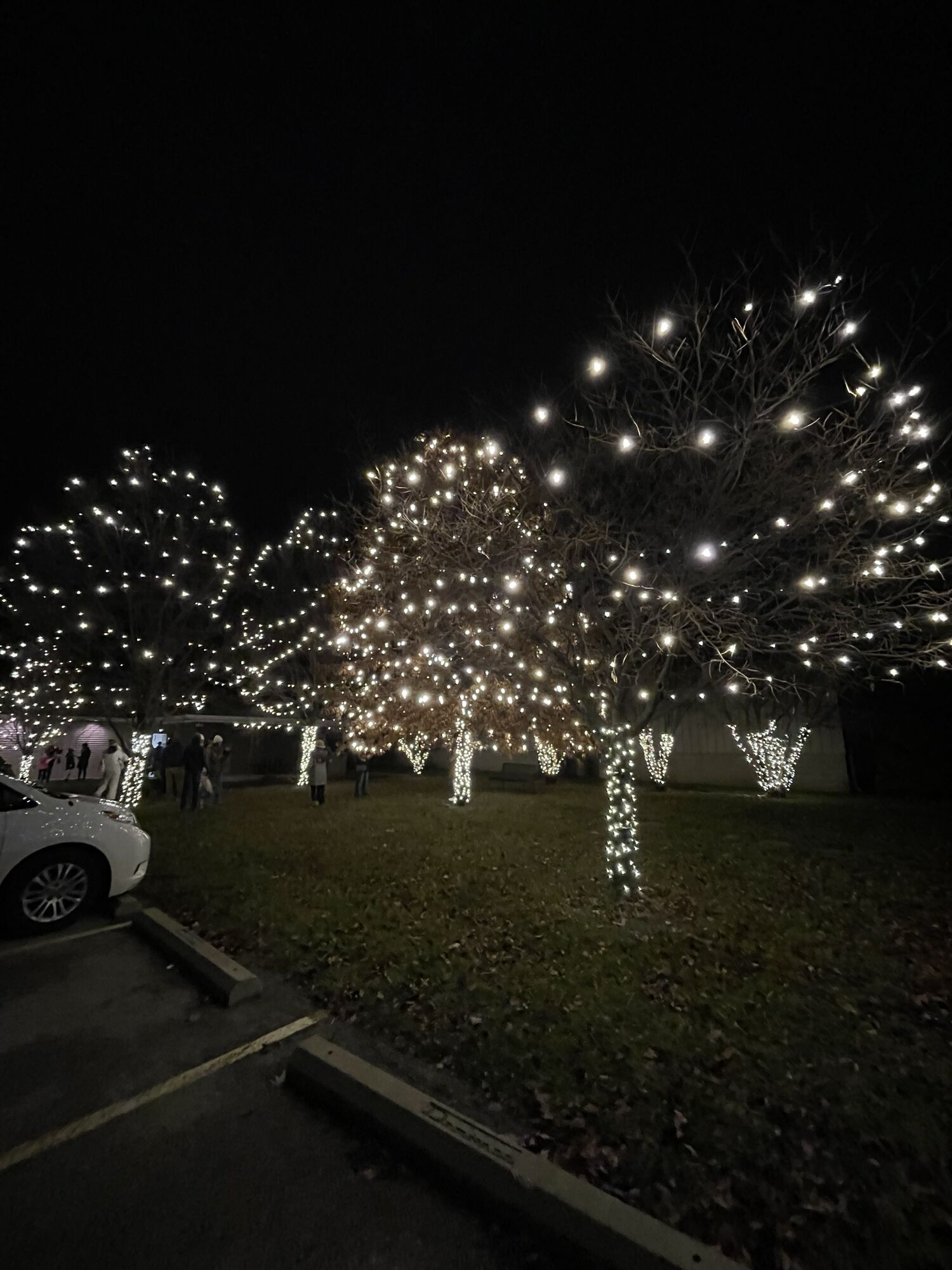
Takedown is the half of the job nobody photographs. There is no dusk, no glow, no neighbors slowing down. There is a cold morning in January, a ladder, and a roofline full of lights that have done their work. It is also the half of the job that decides whether a display is a one season purchase or something that looks right year after year, which is why it is part of every installation rather than an afterthought.
Here is what happens after New Year's, and why it matters more than it looks.
When the crew comes back
Displays come down in January. Most homeowners want to enjoy the lights through New Year's, and some through the first week or so of the month, so removal runs through January as the schedule allows. You do not need to book it, call about it or be home for it. It was arranged when the display was, and the crew simply returns.
If you have a preference, say so at the consultation or at any point in the season. Some families like the lights gone the first week of January so the house looks back to normal quickly. Some want them up through the middle of the month. Either is fine, and the timing is written into your plan.
Weather has a say. Takedown, like installation, is roof work, and an ice storm or a run of hard wind can shift a visit by a few days. The crew is licensed, insured and trained for winter work, and part of that training is knowing when a roof should not be walked. A short delay for weather is a good sign, not a bad one.
How takedown is done
The order is the reverse of installation. Ground plane first: wreaths, garland, lit shrubs and path lighting come off and are coiled and labeled by location. Trees next, unwound the way they were wound, so the strands come off without snagging bark or snapping small branches. Roofline last, run by run, with every clip removed from the shingle edge or gutter as the strand comes down.
That last detail is the one to watch for with any lighting company. A professional install uses clips, not nails, staples or adhesive, precisely so that takedown leaves nothing behind. When the crew is finished there should be no clip on the gutter, no hook in the fascia, no zip tie on the downspout, and no trace on the house that a display was ever there. If a homeowner finds a stray clip in March, that is a miss, and the crew would rather hear about it than have it sit there.
Timers, cords and connectors come off with the runs. Ground stakes and any cord covers across the lawn come up. The yard is walked once more before the truck leaves.
Why the lights are handled like this
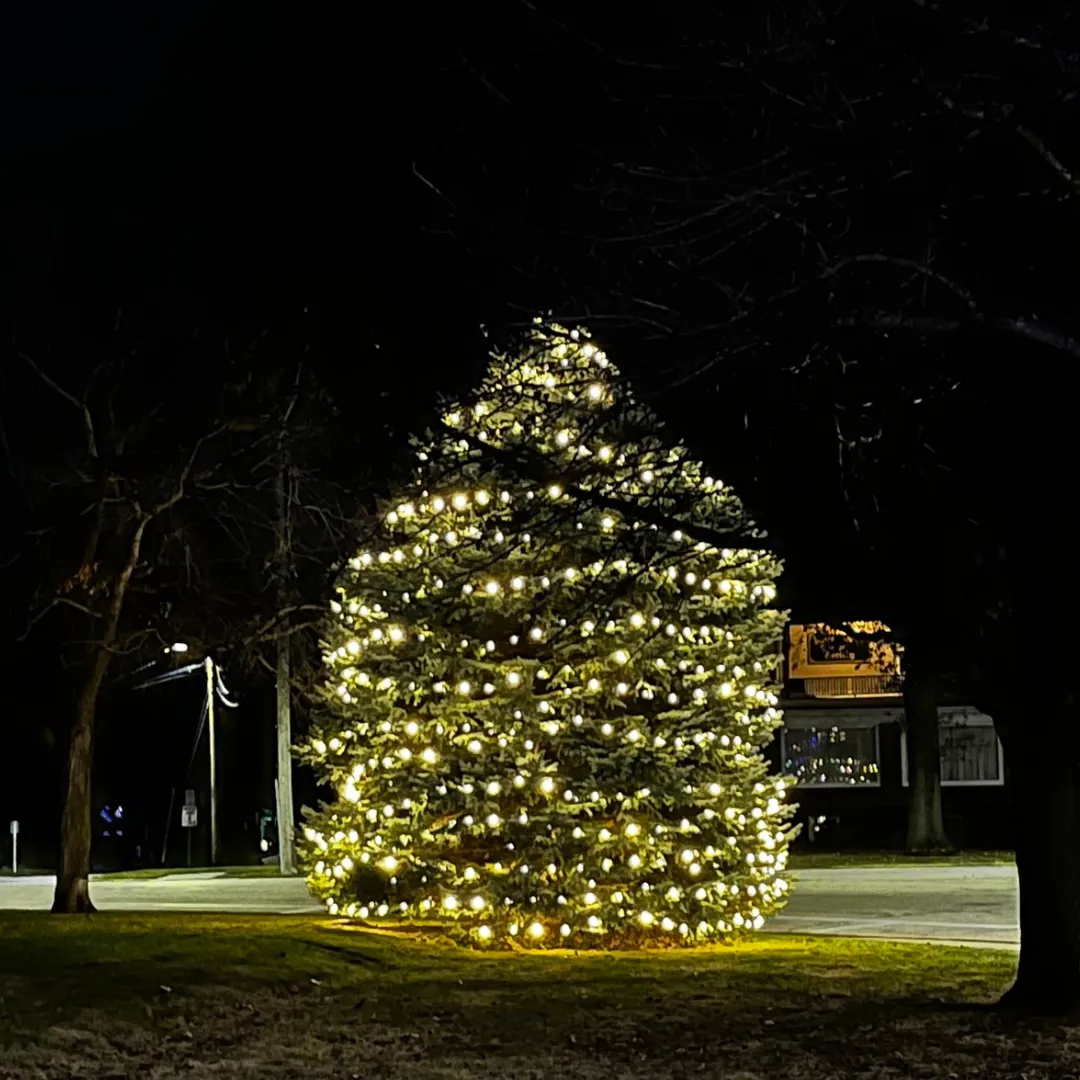
Every strand on your house was cut and built to a specific run on a specific roofline. The gable run is the length of your gable. The porch run turns where your porch turns. That is what makes a custom fit display look the way it does, and it is also what makes the strands worth keeping. They are not interchangeable with anyone else's, and they cannot be bought off a shelf to replace.
So the crew treats them as what they are: a set of parts that belongs to one house. Each run is coiled without kinking, labeled for the position it came from, and kept with the rest of the display. When it goes back up next season, the crew is not measuring or guessing. They are reinstalling a known set of pieces in known positions, which is faster, cleaner and one of the reasons a second year install is so much less disruptive than a first.
Where the lights go
The display is stored safely by Lit Up Taylor's Way until the following season. It does not go in your garage, your attic or a tub in the basement. You do not need to find space for it, keep it dry, or remember where it is in October. It is our job to keep it, and it is part of what the price covers.
That matters for reasons beyond convenience. Strands stored loose in a tub tangle, kink and rub, and the connections corrode in a damp garage over a humid summer. That is why so many do it yourself displays are a third dead the next November. Commercial grade product lasts because it is built better and because it is kept properly between seasons. Both halves are necessary.
What gets checked before storage
Takedown is also an inspection. As each run comes down, the crew is looking at it: bulbs that have dimmed, connectors that have loosened, clips that have fatigued, wire that has been chafed by a branch or a gutter edge. Anything that would fail next season is noted now, while there are nine months to deal with it, rather than discovered on install day in October.
Trees are the other thing worth a look. A tree that was wrapped in November has been carrying strands through wind and ice for two months. The crew checks that nothing has rubbed the bark and that no strand was left tight enough to have marked a branch. It is rare, because the wrapping is done with the tree's health in mind, but it is checked all the same.
What you do
Nothing. You do not need to be home. You do not need to unplug anything, coil anything, or find a box. If the timer is somewhere that needs access, or if a gate needs to be unlocked, the crew will have arranged that with you already. The first sign that takedown has happened is usually pulling into the driveway and noticing the house looks like it did in October.
If you have any notes for next year, this is a good time to send them. A run you would move, a tree you would add, a color you would change. They go into the plan on file and are ready for the review at the start of next season.
What it means for next year
Returning customers keep their design, their strands and their preferences on file. The consultation the following autumn is a short review rather than a fresh start, the install is a reinstall rather than a build, and the display goes up looking exactly as it did the year before, or improved in whatever way you asked for.
The one thing that does not carry over automatically is the calendar. Preferred install weeks go to the customers who rebook early, and a returning customer who calls in September keeps their slot far more reliably than one who calls in November. Takedown in January is a natural moment to say "same again next year" and have it noted.
Questions we hear about takedown
Can the lights stay up longer? Yes. Tell us the date you have in mind and the plan is adjusted. Some families like the display through Epiphany; some want it gone on the second of January.
Can I keep the strands at my house instead? You can, but there is no advantage to it. Storage is included, the strands are kept properly, and you do not have to find a dry place for a roofline's worth of lights or remember where it went.
What if a strand was damaged during the season? It is noted at takedown and dealt with before the next install. You do not need to track it.
Do I need to be there? No. If access to a gate or the timer is needed, the crew arranges it with you in advance.
The alternative, honestly
Homeowners who hang their own lights face this season every year: the lights stay up into February because nobody wants the ladder in January, then come down in a hurry on a mild weekend, then go into a tub where a third of them die by the following fall. The takedown is the reason a lot of people stop hanging their own lights, more than the install ever was.
A full service display removes the entire question. Installation, a timer set to your schedule, maintenance through the season, and removal and storage in January are one price, starting at $899, and the only decision left to you is when you want the house lit.
What to Do Next
If you have a display with us, there is nothing to do; the crew will be back in January. If you are deciding whether to book for the coming season, remember to weigh the takedown and the storage alongside the install. They are half of what you are buying, and the half that makes year two easy.
Lit Up Taylor's Way designs, installs, maintains and removes holiday lighting across Princeton, Peru, LaSalle, Ottawa, Mendota, Kewanee, Dixon, Peoria and the surrounding communities. Call 815-875-8231 or request your free consultation through the website.