When to Book Christmas Light Installation in Illinois
Lit Up Taylor's Way • 8 min read
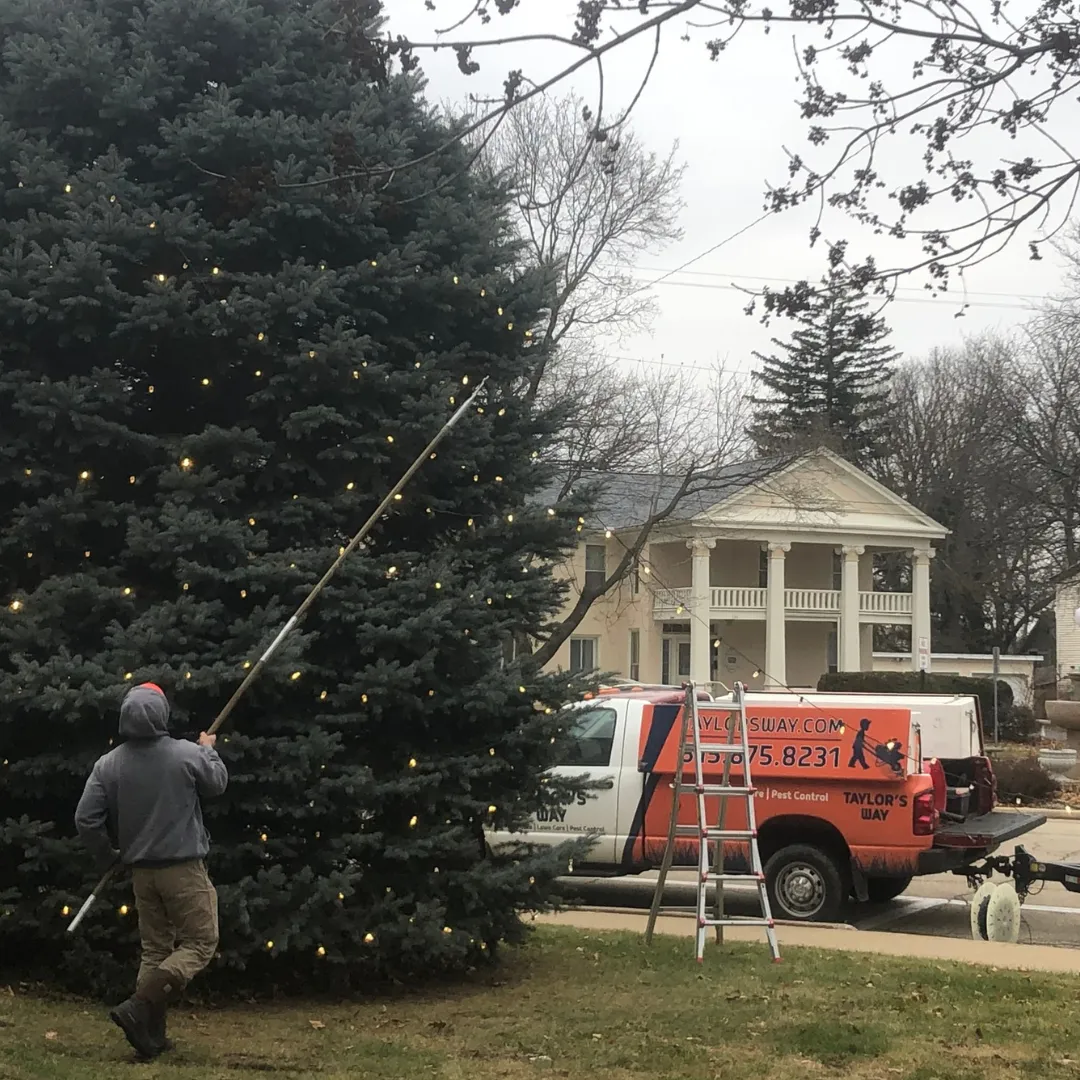
Every year the same thing happens in Princeton, Peru, LaSalle and the towns around them. The first genuinely cold weekend arrives, somebody drives past a house that already has its lights up, and the phone starts ringing. By that point the calendar is mostly spoken for.
It feels strange to think about Christmas lights while you are still mowing the lawn. But holiday lighting is a scheduling business before it is anything else, and understanding the calendar is the difference between getting the display you pictured and settling for whatever dates are left.
Why the season starts earlier than you think
A professional installation is not one visit. It is a design conversation, a measurement, a materials order, an install day, and a season of upkeep after that. Each of those steps takes time, and they have to happen in order.
Custom length strands matter here. Lights that are cut and built to your specific roofline look clean because every run ends exactly where the roof ends, with no bunching at the corners and no dark gap at the last foot. That precision is only possible when somebody has measured your house and built the strands for it. Measuring in September leaves room for that. Measuring in December does not.
There is also the weather. Installers in Illinois are working on ladders and rooflines, and there is a real difference between hanging lights on a dry fifty degree afternoon in October and doing the same work on an icy pitch in late November. Earlier installs are safer, faster, and produce tidier results, which is why crews schedule as much as they can before the weather turns.
What the calendar actually looks like
Late August through September
This is when design consultations happen and the schedule fills. Nothing goes up yet. You are choosing what gets lit, what colour, and which install week you want. The homes that book now are the ones that get their pick of dates.
October
Installation begins in earnest. Lights go up and stay dark, set on timers that will not turn on until you want them to. This surprises people the first time, but it is the single best thing about booking early. The work is done in mild weather, and your display simply appears one evening in November when the timer wakes it up.
November
The remaining installs finish, and the displays start switching on. Most families want lights running by Thanksgiving weekend, which makes the first half of November the busiest stretch of the season.
December
Crews move into maintenance mode. If a strand fails or a storm knocks something loose, the team is out fixing it. New installations at this point are limited to whatever capacity is left, and choices narrow.
January
Takedown and storage. The lights come down, get packed away properly, and wait for next year.
The three things that go first
Not every part of the calendar fills at the same rate. Three things run out earliest.
Prime install weeks. The last two weeks of October and the first week of November are the most requested dates of the year. They are mild enough to work comfortably and close enough to the season that nothing sits waiting.
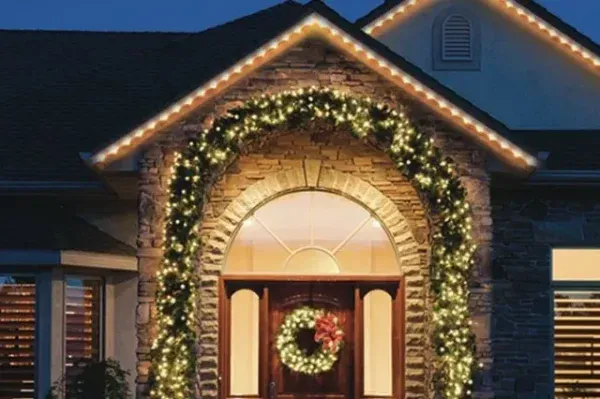
Large and complex displays. A single roofline can be fitted in quickly. A property with multiple elevations, wrapped trees, garland on columns and pathway lighting takes a full crew and a long day. Those jobs get locked in first because they need the most planning.
Commercial work. Storefronts, churches and municipal buildings usually need to be lit before a specific community event, and those dates do not move. Commercial clients tend to book earliest for exactly that reason.
What booking early does not mean
Booking in September does not mean your house glows in September. It does not mean paying more for the privilege of being early either. What it means is that you choose your install date rather than accepting one, and that the design conversation happens without anybody rushing.
It also means the materials are right. When a display is planned in the autumn there is time to order what the design actually calls for. When it is planned in December, the design starts bending to fit whatever is on the shelf.
What if you have left it late
Call anyway. Cancellations happen, and a straightforward roofline can often be fitted into a gap that a larger project could not use. The honest answer is that your options narrow as the season progresses, and the earlier the call, the more of the year is still available to you.
What you should not do is assume it is too late and spend another December on a ladder. That is how most people end up doing this themselves for one more year than they intended.
A note on what you are actually buying
The lights are the visible part, but the schedule is what you are really purchasing. A professional installation includes the design, the install, someone to call when a bulb fails in the middle of December, and the takedown in January so that the display does not become a February problem. Booking early is what makes all four of those fit comfortably into the year.
What actually happens at a consultation
People expect a sales visit and are usually surprised that it is mostly listening. The consultation is free, and it exists because the same house can be lit five different ways depending on what the family actually wants.
The conversation tends to cover four things. What do you want people to see from the road, since a display read from a passing car is a different thing from one admired from the front path. Which architectural lines are worth following, because most homes have one or two features that do the heavy lifting and a few that are better left dark. Whether trees are part of the plan, which changes the scale of the job considerably. And how you want it to switch on, because a timer set to your evening routine is the difference between a display you enjoy and one you keep forgetting about.
That last point matters more than people expect. A display that comes on at dusk and goes off after you have gone to bed costs nothing extra to arrange and removes the only ongoing chore involved in having lights at all.
Why commercial grade product changes the timeline
There is a practical reason professional installers talk about commercial grade materials rather than what you can buy in a box. Retail strands are built to a price and to a season. They are designed on the assumption that they will be used once, stored badly, and replaced.
Commercial product is built to be installed, removed, stored properly and installed again for years. The bulbs seat more firmly, the wire tolerates cold without going brittle, and the connections survive being handled repeatedly. That durability is also why a professional display looks consistent across a whole roofline rather than showing three slightly different shades of white where sections were replaced at different times.
The connection to the calendar is simple. Building a display from proper materials means ordering those materials for your specific house, and ordering takes lead time. It is one more reason the work that starts in September produces a better result than the work that starts in December.
Two mistakes that cost people the season
Waiting for cold weather to feel motivated. The instinct is to start thinking about holiday lighting when it starts feeling like the holidays. By then the installers who serve your town have been booked for weeks. The feeling arrives about a month after the decision needed to be made.
Assuming last year's setup carries over automatically. If you had lights installed before, the design is on file and the strands may already be sized to your house, which makes rebooking much quicker. But the date still has to be claimed. Returning customers who call in September keep their preferred week. Returning customers who call in December are in the same queue as everyone else.
Planning around Illinois weather
North central Illinois gives installers a reasonably predictable window. October is usually workable. November is variable. By early December, ice and wind are genuine scheduling risks, and a crew that has to come off a roof because conditions turned will reschedule, which pushes everything behind it.
This is why installs are front loaded and why lights often go up weeks before they are switched on. The strands sitting dark on your roofline through late October are not an oversight. They are the whole point of booking early: the difficult part is finished while the weather is still cooperating.
PLACEHOLDER_WTDNIf you are reading this in September or October, you are in the ideal window. Start with a design consultation, which is free, and which is mostly a conversation about your house and what you want it to look like. From there you will have a date, a plan, and nothing left to think about until the lights come on.
Lit Up Taylor's Way designs, installs, maintains and removes holiday lighting across Princeton, Peru, LaSalle, Ottawa, Mendota, Kewanee, Dixon, Peoria and the surrounding communities. Call 815-875-8231 or request a quote through the website to get on this year's calendar.